Gun owners have a serious responsibility: making sure it’s stored safely when it is not in use. Whether you own one handgun for home protection, a hunting rifle, a shotgun, or a growing firearm collection, safe storage should always be at the front of your mind.
Gun locks are one of the most common ways to help prevent a firearm from being used by someone who shouldn’t be handling it. They’re affordable, simple to use, and helpful in many situations. But they’re also only one part of safe gun storage. A lock may help keep a firearm from firing, while a gun safe or lock box helps prevent the wrong person from accessing it in the first place.
In this guide, we’ll walk through the different types of gun locks, how they work, when they may be useful, and why many gun owners choose to pair them with a proper safe for better protection.
Why Gun Locks Matter 
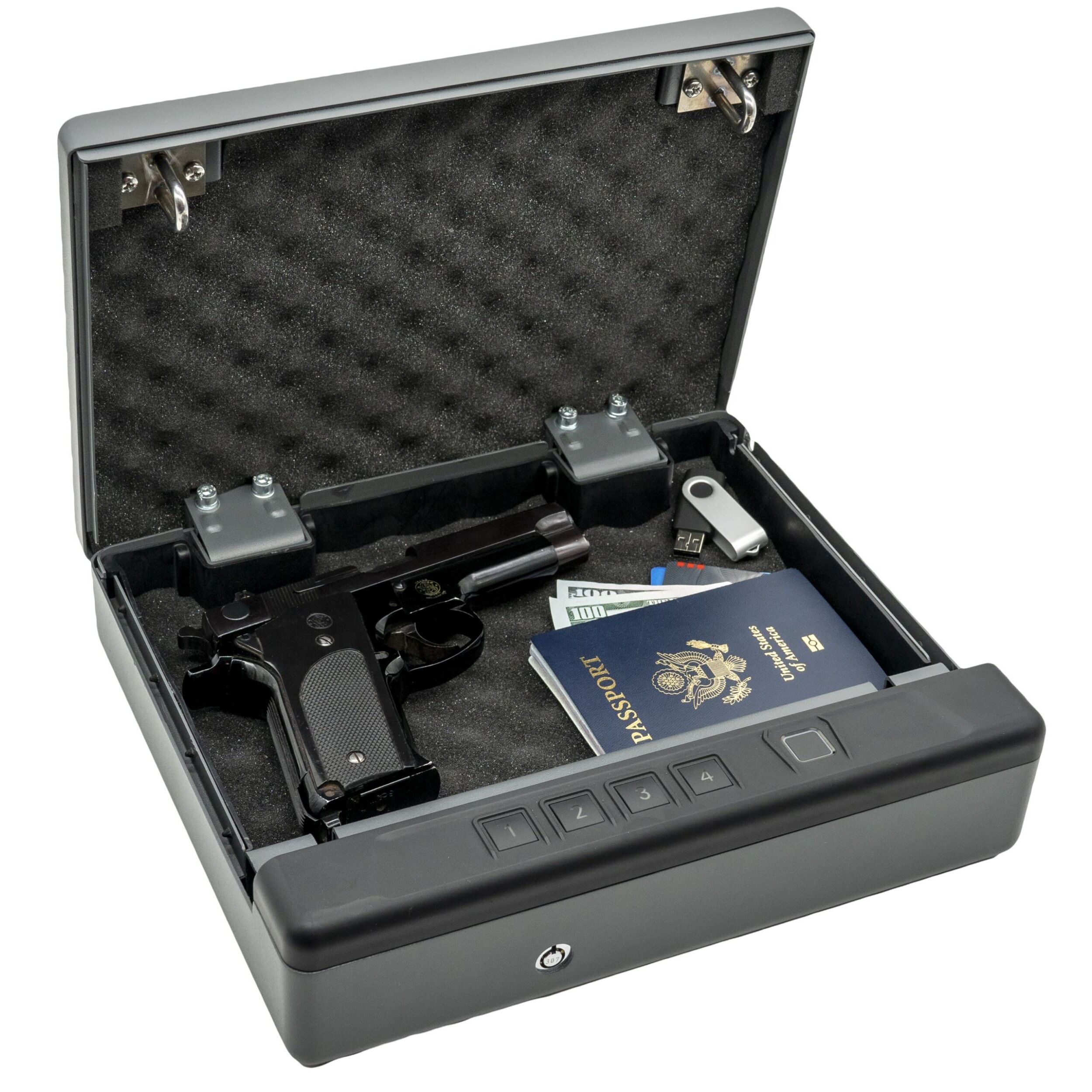
Gun locks are designed to add a layer of security when a firearm is stored. Their main purpose is to make it harder or impossible for the gun to fire while the lock is properly installed. This can be especially important in homes with children, guests, roommates, visiting family members, or anyone else who should not have access to a firearm.
But safe gun storage is not just about kids. A firearm can be stolen, mishandled, misplaced, or accessed during a stressful situation. A lock gives you one more barrier between the firearm and an unsafe outcome.
That said, gun locks shouldn’t be treated as a complete storage plan by themselves. The safest approach usually includes a combination of responsible handling, unloaded storage when appropriate, controlled access to keys or combinations, and secure storage inside a lock box or gun safe.
What Is a Gun Lock?
Gun locks are added layers of security designed to help prevent unauthorized use of a firearm. Different locks work in different ways. Some cover the trigger, some block the chamber, and others stop the firearm’s action from cycling properly.
The right option depends on the type of firearm, how it is stored, who lives in the home, and how quickly the owner may need access. A handgun kept for home defense may need a different storage setup than a hunting rifle that only comes out a few times a year.
While a gun lock can help keep a firearm from firing, it does not always stop someone from picking it up, moving it, or tampering with it. That is why gun locks are often used with lock boxes and gun safes for stronger protection. Liberty Locksmith offers safe storage options for handguns, long guns, valuables, and growing firearm collections.
Trigger Locks
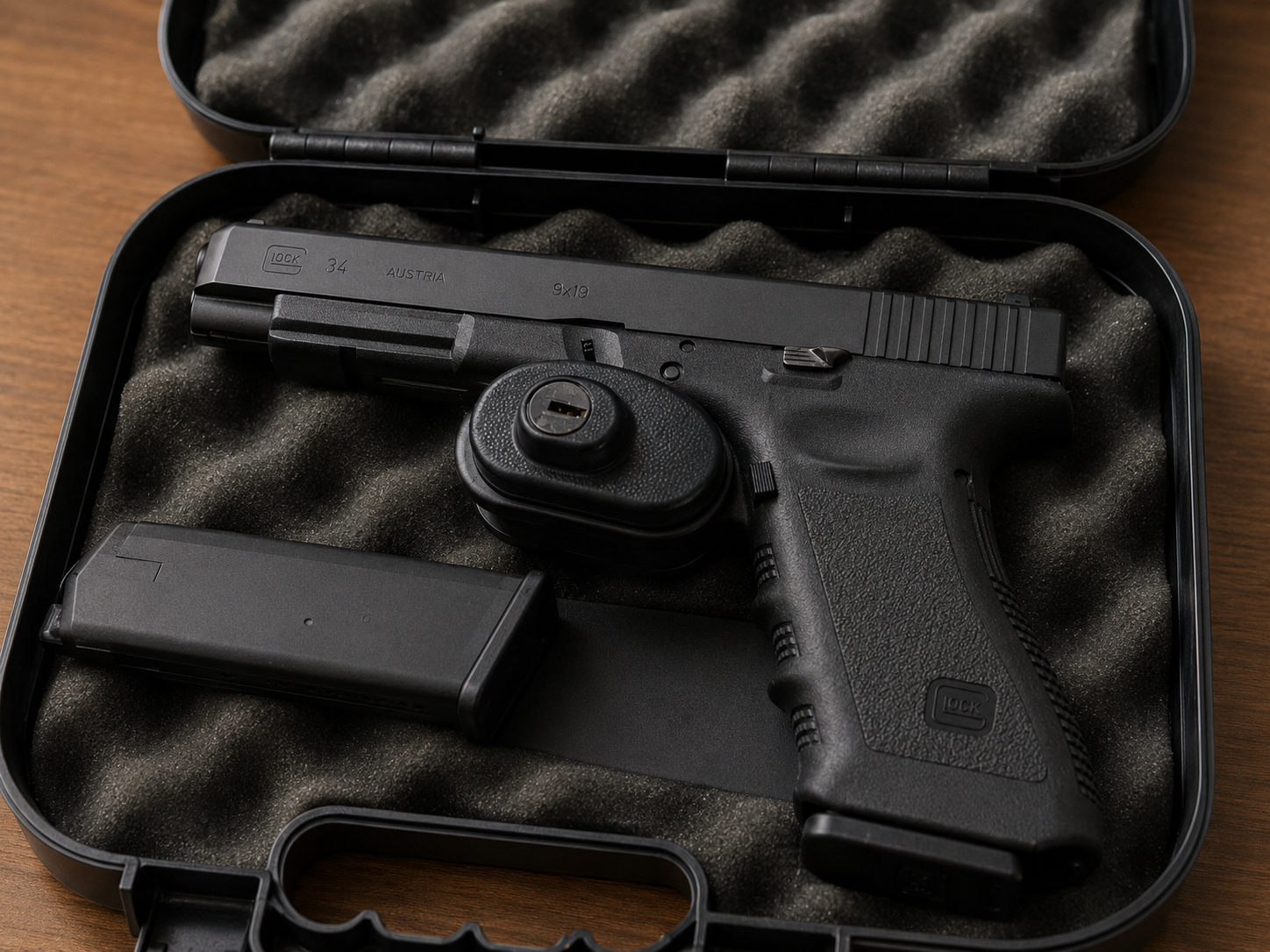 Trigger locks are a useful tool for basic gun protection. As the name suggests, they’re designed to block access to the trigger so it can’t be pulled while the lock is installed. They’re popular because they are affordable, easy to understand, and widely available for most types of guns.
Many trigger lock brands claim to be universal but fit still matters. A lock that works well on one handgun, rifle, or shotgun may not fit another firearm as securely. We recommend comparing a few options and choosing one that fits your firearm properly. Similar to a bike lock, trigger locks are commonly available as keyed locks or combination locks, so you can choose the style that feels most secure and practical for your home.
However, trigger locks come with one very important safety warning: never use a trigger lock on a loaded firearm. If a trigger lock is installed incorrectly on a loaded gun, it can create a risk of accidental discharge. Always follow the firearm manufacturer’s instructions and the lock manufacturer’s instructions before using any locking device.
Trigger locks can be helpful for basic storage, but they do not stop someone from picking up the gun, moving it, stealing it, or trying to tamper with it. That is why many gun owners use trigger locks along with a lock box or gun safe for stronger protection.
Cable Locks 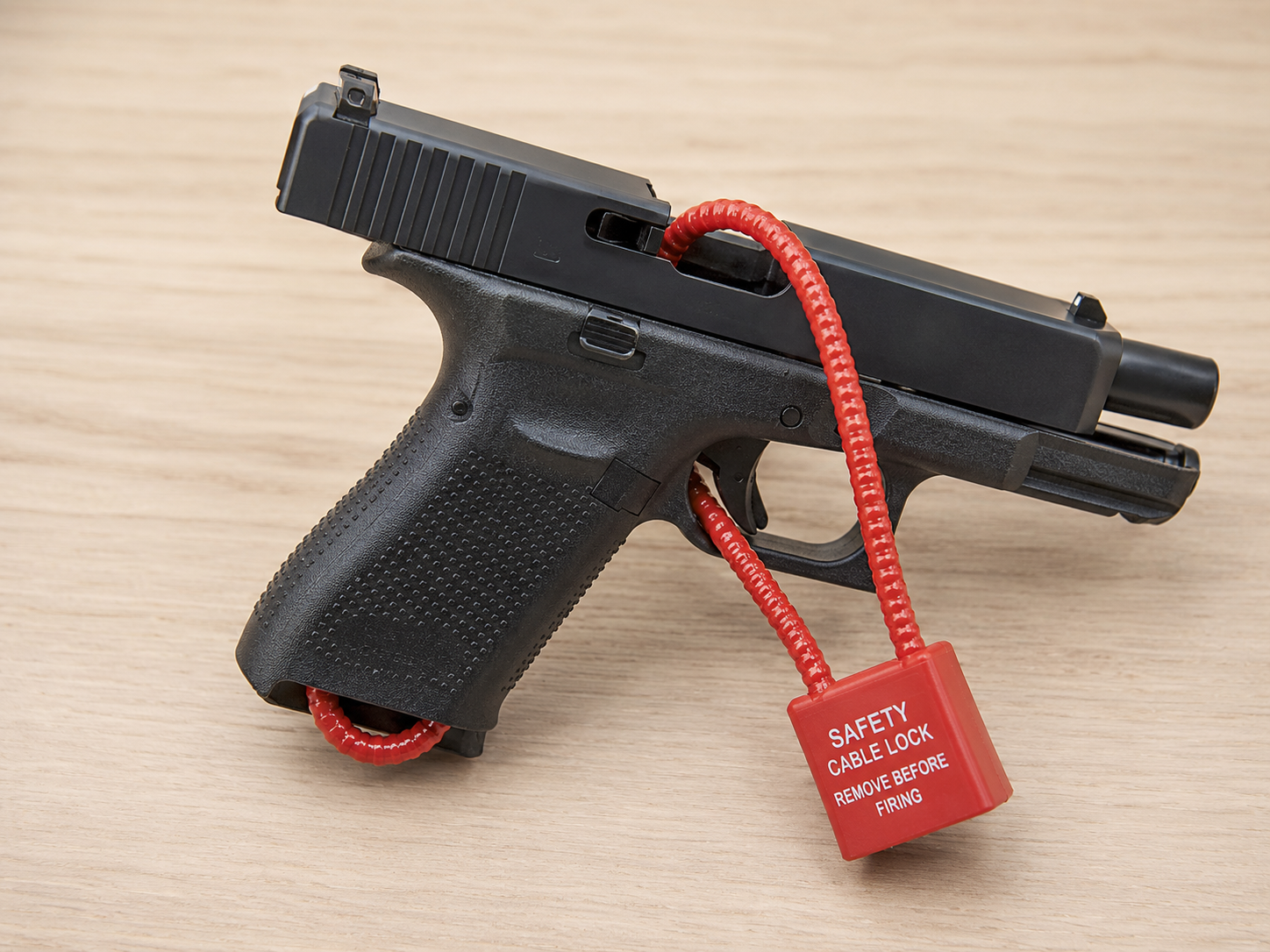
Federal law requires licensed firearm dealers to include some type of secure storage or safety device with every handgun they sell, which is why many new handguns come with a cable lock in the box. Cable locks are one of the most common gun lock options because they are affordable, easy to find, and versatile enough to work with many handguns, rifles, and shotguns.
A cable lock works by being threaded through part of the firearm, such as the action, chamber, magazine well, or barrel, depending on the gun. When installed correctly, it helps prevent the firearm from loading ammunition, closing the action, or firing. This makes cable locks a practical choice for many gun owners who want a simple way to add another layer of safety.
For many firearms, a cable lock may offer more protection than a basic trigger lock because it interferes with the gun’s ability to load or cycle. Still, like any locking device, it must be used correctly and matched to the firearm. A cable lock can be helpful, but it shouldn’t replace secure storage inside a locked safe or lock box.
Chamber Locks
Chamber locks are often considered a step up in security from basic trigger locks or cable locks because they block one of the most important parts of the firearm’s firing process. Instead of only covering the trigger or running a cable through the firearm, a chamber lock is designed to keep a round from being loaded into the chamber.
These locks are commonly used for safe storage and transportation, and many gun safety advocates recommend them as a strong option for preventing unauthorized use. Chamber locks are usually caliber-specific, so the lock needs to match the firearm. They are available for many handguns, rifles, AR-style platforms, and shotguns.
One benefit of a chamber lock is that it can make the firearm visibly locked or not ready to fire, depending on the design. This can provide a clear reminder that the firearm has been secured. Since the chamber must be clear and accessible for the firearm to function properly, blocking it helps prevent the gun from being loaded or fired as intended.
Like any gun lock, chamber locks should be matched to the firearm and used according to the manufacturer’s instructions. Not every lock works with every gun, so choosing the correct device is important.
Action Locks
Action locks can be a little confusing because people often use the terms “action lock” and “cable lock” interchangeably. That is because a cable lock is one of the most common ways to keep a firearm’s action open and prevent it from operating normally.
Technically, an action lock is a broader category. It refers to any locking device that keeps the action from closing, cycling, or chambering a round. In many cases, that device is a cable lock. In other cases, it may be a rigid block, insert, or firearm-specific lock designed to hold the slide, bolt, or receiver open.
An easy way to think about it is this: many cable locks function as action locks, but not every action lock uses a cable. For most gun owners shopping for basic firearm safety devices, the terms are often used together because the goal is the same. The lock helps keep the firearm from loading or firing as intended.
One benefit of an action lock is that it can make it visually clear that the firearm is not ready to fire. However, just like trigger locks and cable locks, action locks do not prevent the firearm from being picked up, carried away, or accessed by someone else. For that reason, action locks are best used as part of a larger safe storage setup that includes a lock box or gun safe.
Lock Boxes and Handgun Safes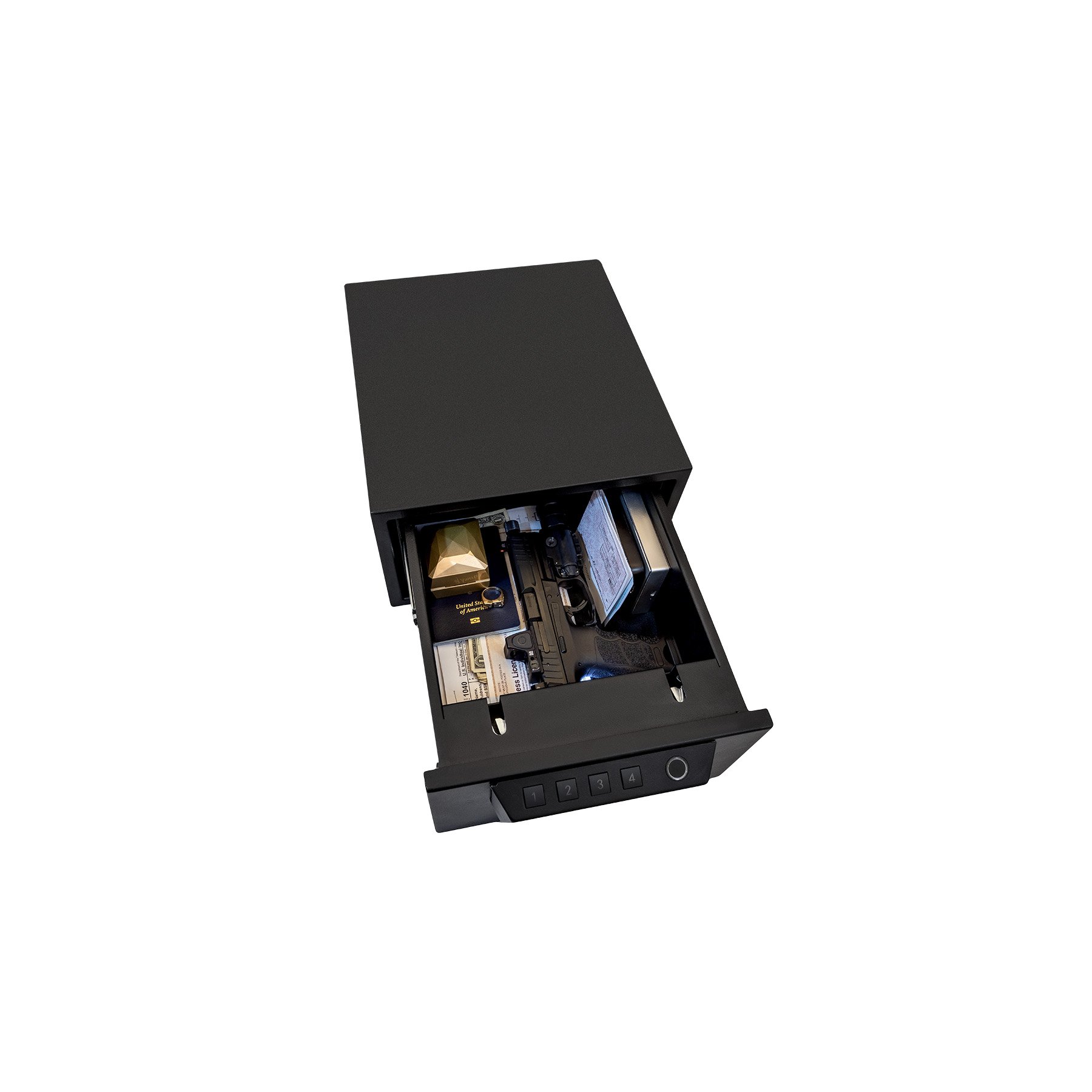
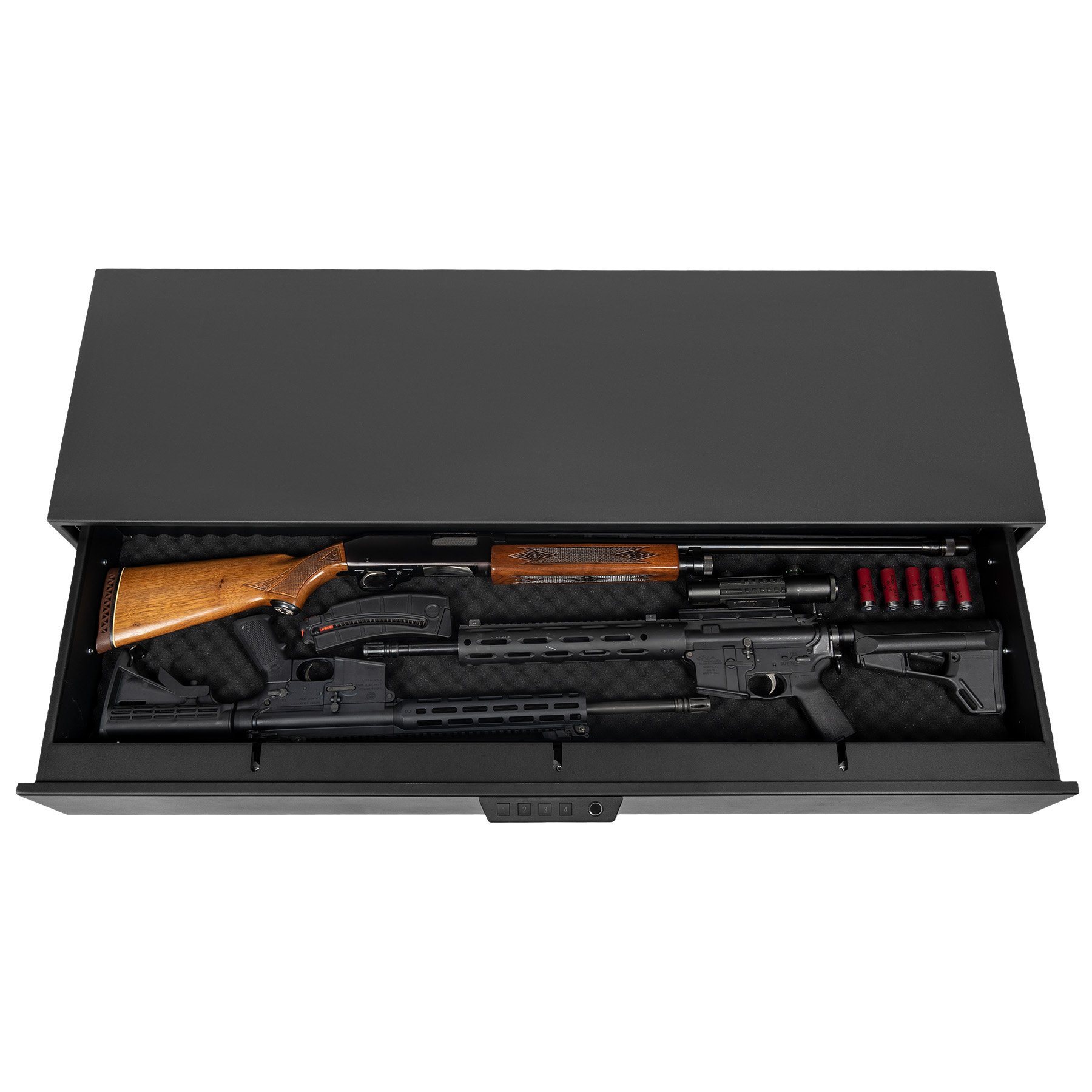
A lock box or handgun safe is a major step up from a lock that attaches directly to the gun. Instead of only stopping the firearm from firing, a safe helps prevent unauthorized access altogether. This matters because handguns are small, easy to move, and easy to hide. If one is left in a drawer, nightstand, closet, or vehicle, someone may still be able to pick it up or tamper with it, even if a trigger lock or cable lock is installed.
For many homes, a lock box or handgun safe should be the baseline for responsible handgun storage. Safely storing both firearms and ammunition is linked to a 78% lower risk of self-inflicted firearm injuries and an 85% lower risk of unintentional firearm injuries among children. For maximum safety, gun locks and handgun safes should be used together. A lock helps keep the firearm from firing, while a safe helps keep the wrong person from accessing it in the first place.
Liberty Locksmith carries top-of-the-line lock boxes and gun safes that pair well with gun locks, including compact Liberty HDV-300X and Quick Vault options for handguns, small valuables, nightstands, closets, vehicles, and travel.
Full-Size Gun Safes
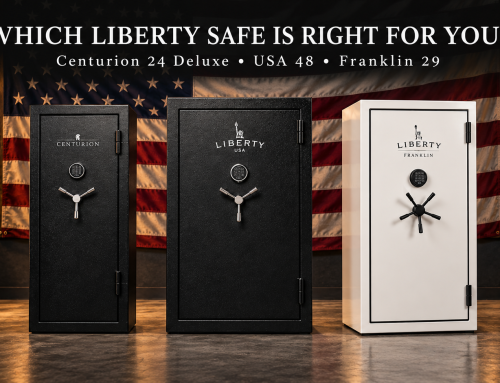
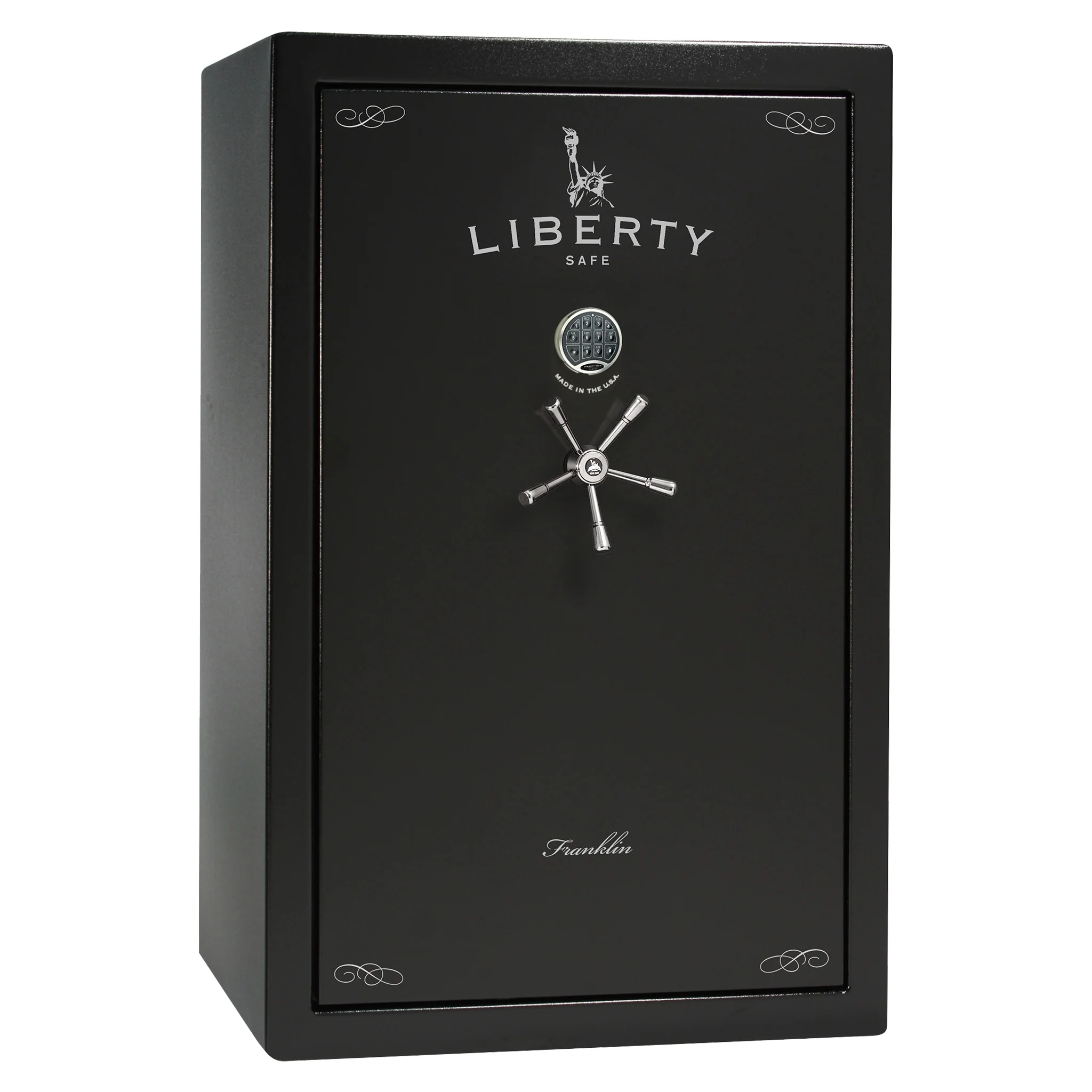
 A full-size gun safe is usually the best option for gun owners with multiple firearms, long guns, valuables, important documents, or a collection they plan to grow. Unlike a small gun lock, a safe helps control access to the entire firearm, not just the trigger, chamber, or action. First-time gun buyers and newer owners often focus on the firearm itself and overlook the storage plan. A gun lock is a good start, but proper storage should be part of responsible ownership from day one.
For collectors, the responsibility grows with the collection. Full-size safes help protect the investment, organize accessories, and keep firearms secured in one place. They are also useful for storing jewelry, documents, watches, cash, hard drives, family keepsakes, and other valuables. It’s smart to choose a safe with the future in mind. Many buyers start with a safe that fits what they own today, then quickly realize they need more room. Something like the Liberty HDV-700X Smart Vault is a good place to start.
That is where Liberty Locksmith can help. Whether you are buying your first firearm or securing a larger collection, our team has the safes, showroom, and product knowledge to help you choose the right setup.
Gun Lock vs. Gun Safe: Which Is Better?
Gun locks and gun safes serve different purposes. A gun lock helps keep a firearm from firing, while a gun safe helps keep the wrong person from accessing it in the first place. This is an important distinction when it comes to firearm safety. The typical gun lock prevents the firearm from being fired, but doesn’t help with it being stolen or tampered with. A safe adds a stronger layer of protection by securing the entire firearm.
For the safest storage setup, many gun owners use both. The firearm may be unloaded, secured with a lock, and stored inside a lock box or gun safe. This creates multiple barriers instead of relying on one device. For a single handgun, a small lock box or handgun safe may be the most practical option. For long guns, multiple firearms, or a growing collection, a full-size gun safe is usually the better long-term choice.
How to Choose the Right Gun Lock for Your Home
The right storage setup depends on your firearm, your home, and how you plan to use it. Before choosing a gun lock, lock box, or safe, think about how often you need access, whether you may need access in an emergency, who else lives in or visits the home, and where the firearm will be stored.
A gun kept in a vehicle, nightstand, closet, or under the bed may need a different setup than a hunting rifle stored long-term. If children live in or visit the home, multiple layers of security should be a priority.
For quick access, a handgun safe may be the best fit. For rifles, shotguns, multiple firearms, or a growing collection, a full-size safe is usually the better long-term choice. Liberty Locksmith carries lock boxes, handgun safes, and full-size gun safes to help owners build a safer storage plan around real life.
Safe Gun Storage Tips Every Owner Should Follow
No single lock or safe can replace responsible ownership. Safe gun storage should be a habit, not something you only think about once.
A few basic rules can make a big difference:
- Store firearms unloaded when appropriate.
- Keep ammunition stored separately when possible.
- Control access to keys, combinations, and backup entry methods.
- Do not rely on hiding spots like drawers, closets, under beds, or vehicles.
- Use multiple layers of security if children live in or visit the home.
- Revisit your storage plan as children get older, guests visit, or your firearm collection changes.
- Make sure responsible adults in the home understand the storage plan.
- Teach children not to touch a firearm if they ever find one and to tell an adult immediately.
Safe storage is not just about equipment. It is about building a system that protects everyone in the home.
Visit Liberty Locksmith for Gun Safes and Safe Storage Options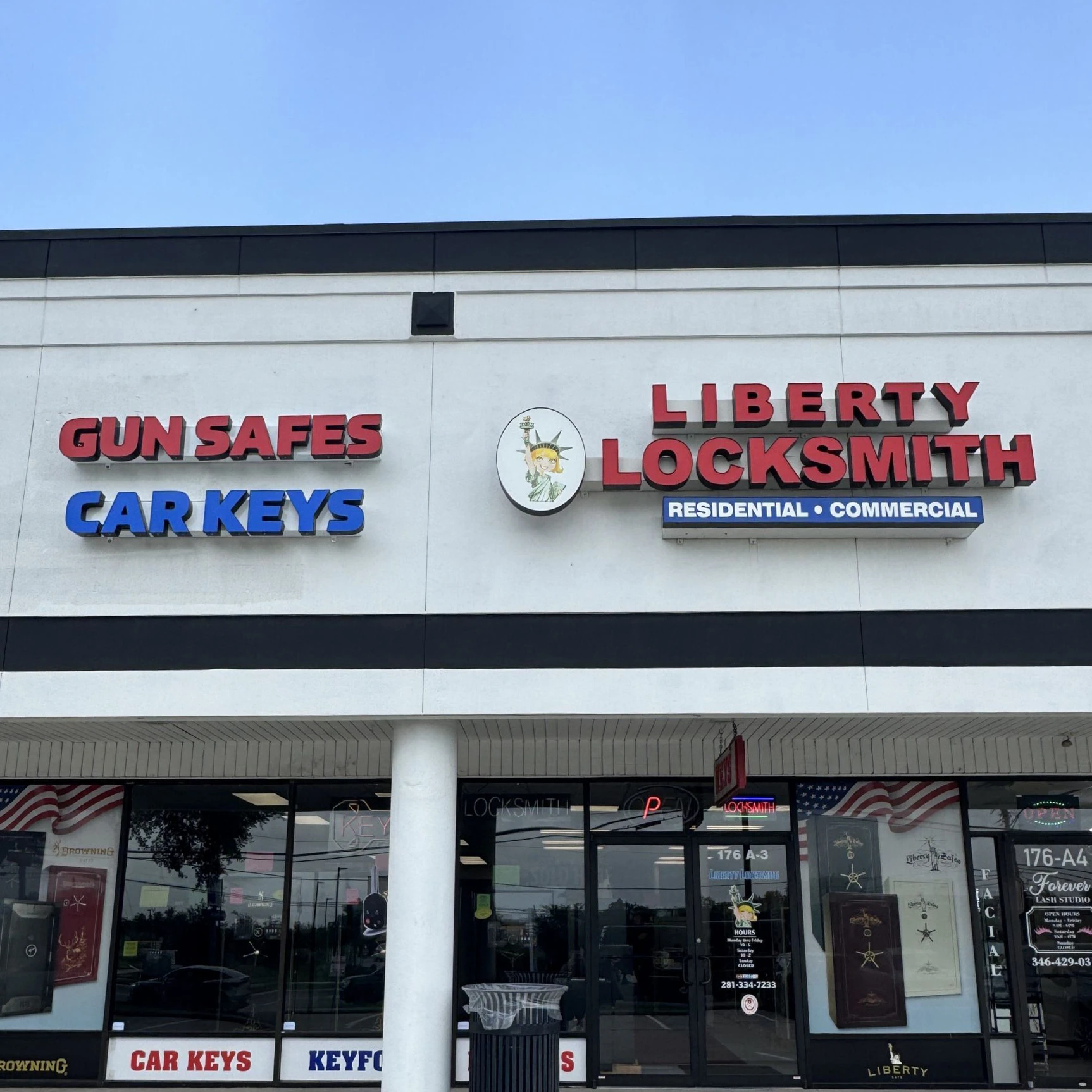
Gun locks are a helpful part of firearm safety, but safe storage should go beyond simply keeping a gun from firing. A lock can add an important layer of protection, while a lock box or gun safe helps control who can access the firearm in the first place.
Liberty Locksmith helps gun owners find safe storage options for handguns, long guns, valuables, and growing collections. Whether you need a compact handgun safe for quick access, a lock box for travel or vehicle storage, or a full-size gun safe for multiple firearms, our team can help you compare options that fit your home, budget, and long-term needs.
Visit our safe showroom in League City or shop online to browse available safes. We can help you choose a storage setup that gives you better protection, better organization, and more confidence in how your firearms are secured.