For a parent, protecting the home comes naturally. You lock the doors at night, check the windows, teach your kids not to open the door for strangers, and do your best to keep trouble on the outside where it belongs. For some families, that conversation eventually includes buying a gun for home defense, hunting, sport shooting, or personal protection.
But when there are children in the home, gun ownership comes with a second responsibility. You’re not only thinking about protecting your family from threats outside the home. You also have to make sure the firearm itself never becomes a danger inside the home. That is where gun safety for parents becomes so important. Guns are the leading cause of death for children and teens ages 1‑17, surpassing car crashes for the first time in two decades. Responsible gun ownership is not just about knowing how to use a firearm. It is about knowing how to store it, secure it, maintain it, talk about it, and manage access to it every single day.
A gun may be purchased for protection, but protection without planning can create risk. Before bringing a firearm into a home with kids, parents should slow down, ask the right questions, and put a safe storage plan in place from the start.
Why Parents Consider Buying a Gun
Parents buy guns for different reasons. Some want a firearm for home defense. Some grew up hunting and want to continue that tradition with their family. Others enjoy sport shooting, collect firearms, or want a greater sense of security. None of those reasons should be taken lightly. Buying a gun is not like buying a new tool for the garage. It is a serious decision that affects the whole household.
Before choosing a firearm, parents should be honest about why they want one. Is the gun intended for protection during an emergency? Will it be used at the range? Will it be kept for hunting season? Will it be stored long-term as part of a growing collection? The answer matters because it affects everything else. A parent buying a handgun for home defense will likely need a different storage setup than someone buying a shotgun for hunting or a rifle for sport shooting. A first-time gun owner may need more training, more practice, and a more basic safe storage system than an experienced owner. The goal is not to rush the decision. The goal is to make a confident, responsible choice with your eyes wide open.
10 Questions Parents Should Ask Before Buying a Gun 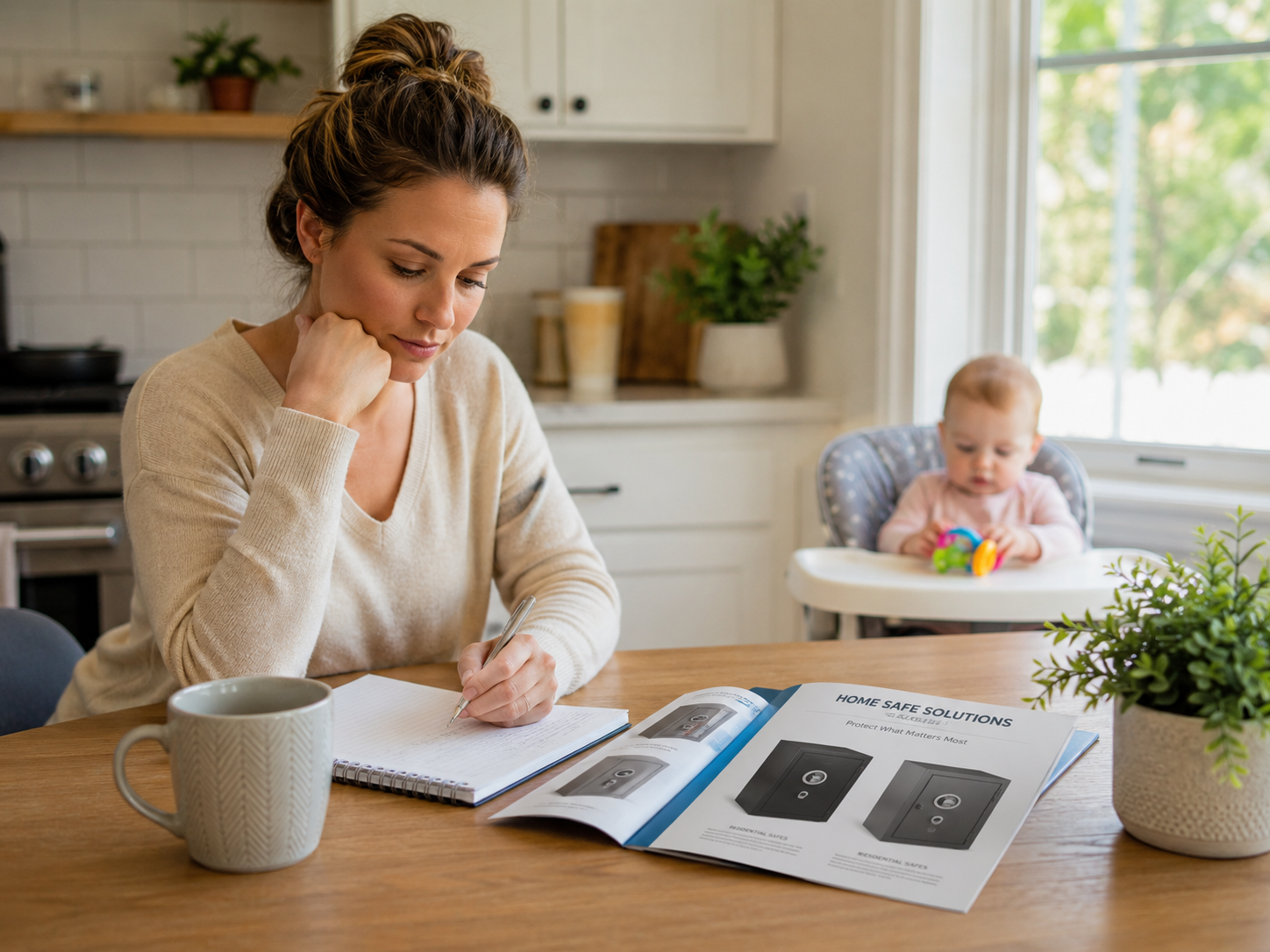
Before buying a gun, parents should ask themselves a few hard but necessary questions. These questions are not meant to scare anyone away from responsible gun ownership. They are meant to make sure the decision is treated with the respect it deserves.
- Why do I want to buy a gun?
- Is this gun for home defense, hunting, sport shooting, or personal protection?
- Where will the gun be stored when it is not in use?
- Will the gun be locked up every single time?
- Who will have access to the gun safe, lockbox, keys, or combination?
- Could my child, teenager, or one of their friends access it?
- Have I taken a gun safety or firearm training class?
- How will I balance quick access in an emergency with safe storage around kids?
- Have I talked to my kids about what to do if they ever find a gun?
- Is anyone in the home dealing with depression, anger, substance abuse, suicidal thoughts, or other risks that make gun access unsafe?
In a house with kids, “I’ll hide it somewhere they won’t look” is not a safety plan. Children are curious. Teenagers are resourceful. Guests may bring kids into the home. Life changes. A responsible plan should assume that if a gun is not properly secured, someone could eventually find it.
The Biggest Risk: Access by Kids, Teens, or Guests
One of the most important things parents need to understand is that hidden does not mean secure. A gun tucked in a closet, nightstand, dresser, vehicle console, or under a mattress may feel out of reach, but children often find things adults think are well hidden. If there are kids in the home, a firearm should be locked when it is not under the direct control of a responsible adult.
This applies to young children, older kids, teenagers, visiting relatives, babysitters, neighbors, and your child’s friends. A home can feel calm and controlled one day and crowded with guests the next. Safe gun storage needs to work in real life, not just in perfect conditions. Parents should think about where the firearm will be stored during normal days, during family gatherings, during sleepovers, and during travel.
Parents should also think about emotional and mental health risks. If someone in the home is struggling with depression, suicidal thoughts, substance abuse, anger, or a major crisis, gun access should be reconsidered immediately. Responsible gun ownership means adjusting your safety plan when household risks change. That may not sound like the cowboy answer, but it is the responsible one. Real strength is not just being ready for danger. It is having the wisdom to prevent it.
Safe Gun Storage Options for Parents
Safe gun storage is the heart of responsible gun ownership for parents. If there are children in the home, the storage decision may be even more important than the firearm decision itself. Parents should decide how the firearm will be secured before it ever comes through the front door.
There are several types of gun safes and storage options parents should know about. A small handgun safe can be a good option for a single pistol, spare magazine, or personal item. These are often used in bedrooms, closets, offices, or other controlled areas of the home. A quick-access gun safe is designed for parents who want secure storage but still want access in an emergency. These may use a keypad, fingerprint reader, RFID tag, or mechanical button system. For many parents, this is where the balance between home defense and child safety begins.
Handgun Safes and Quick-Access Safes
A bedside safe can be useful for compact storage near the bedroom, but it should still be locked, reliable, and secured properly. A vehicle handgun safe or lockbox can help
with temporary storage while traveling, but a vehicle should never be treated as the main place to store a firearm. Cars are broken into, keys get left behind, and heat or movement can create other issues. Vehicle storage should be limited, locked, and carefully managed.
Long Gun Safes and Fire-Rated Safes
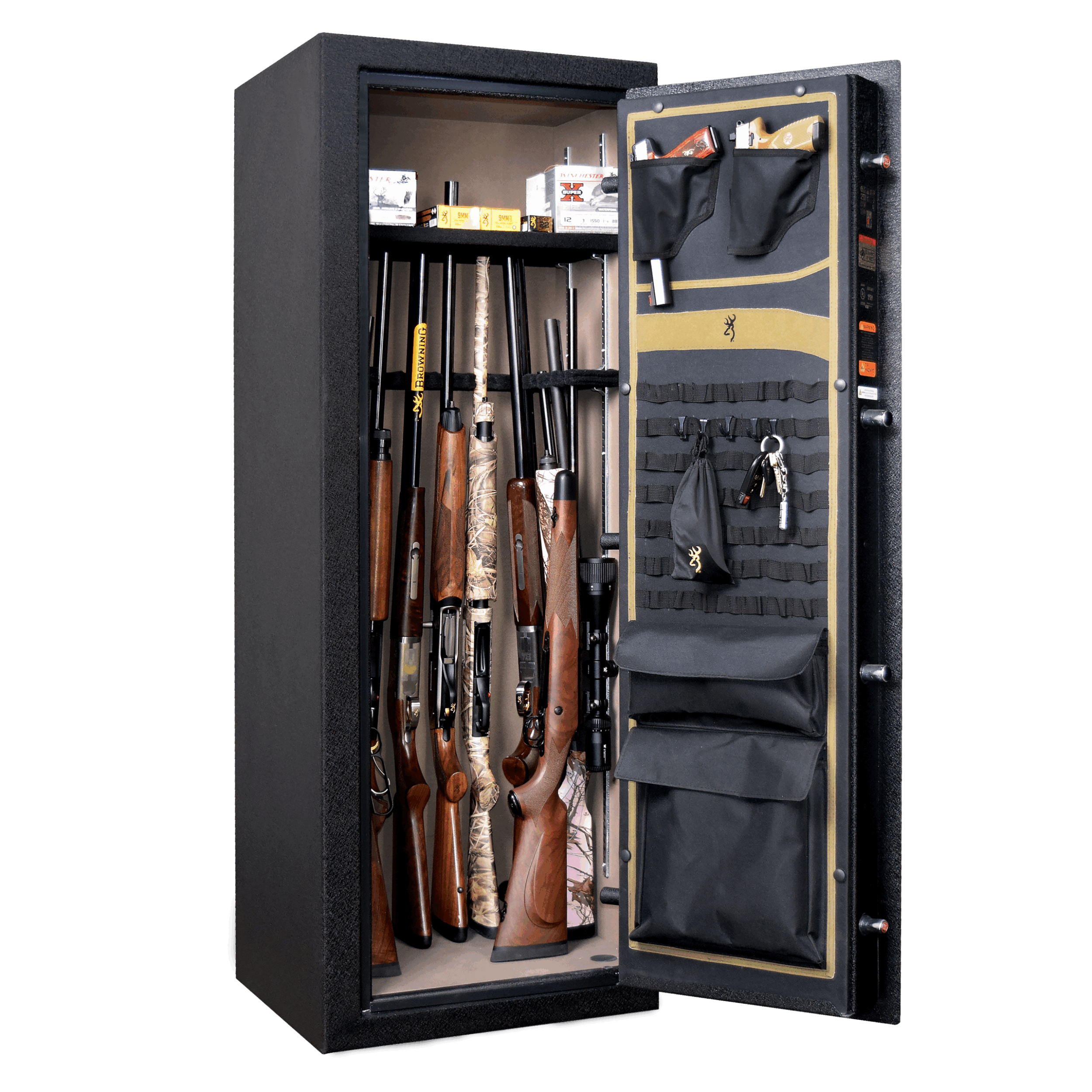
For rifles, shotguns, hunting firearms, and larger collections, a long gun safe is usually the better option. A fire-rated gun safe adds another layer of protection for firearms, important documents, jewelry, family valuables, and other items. A home safe can also be useful for families who want secure storage for valuables, documents, personal items, or compact firearms depending on the safe design.
Planning for Future Storage Needs
For families planning ahead, a larger gun safe may make more sense than a small safe that is quickly outgrown. A parent may start with one handgun today, then later add a shotgun, rifle, important documents, ammunition storage, or other valuables. Like a good pair of boots, it helps to buy something that still fits down the road.
Gun Locks, Accessories, and Safety Tools
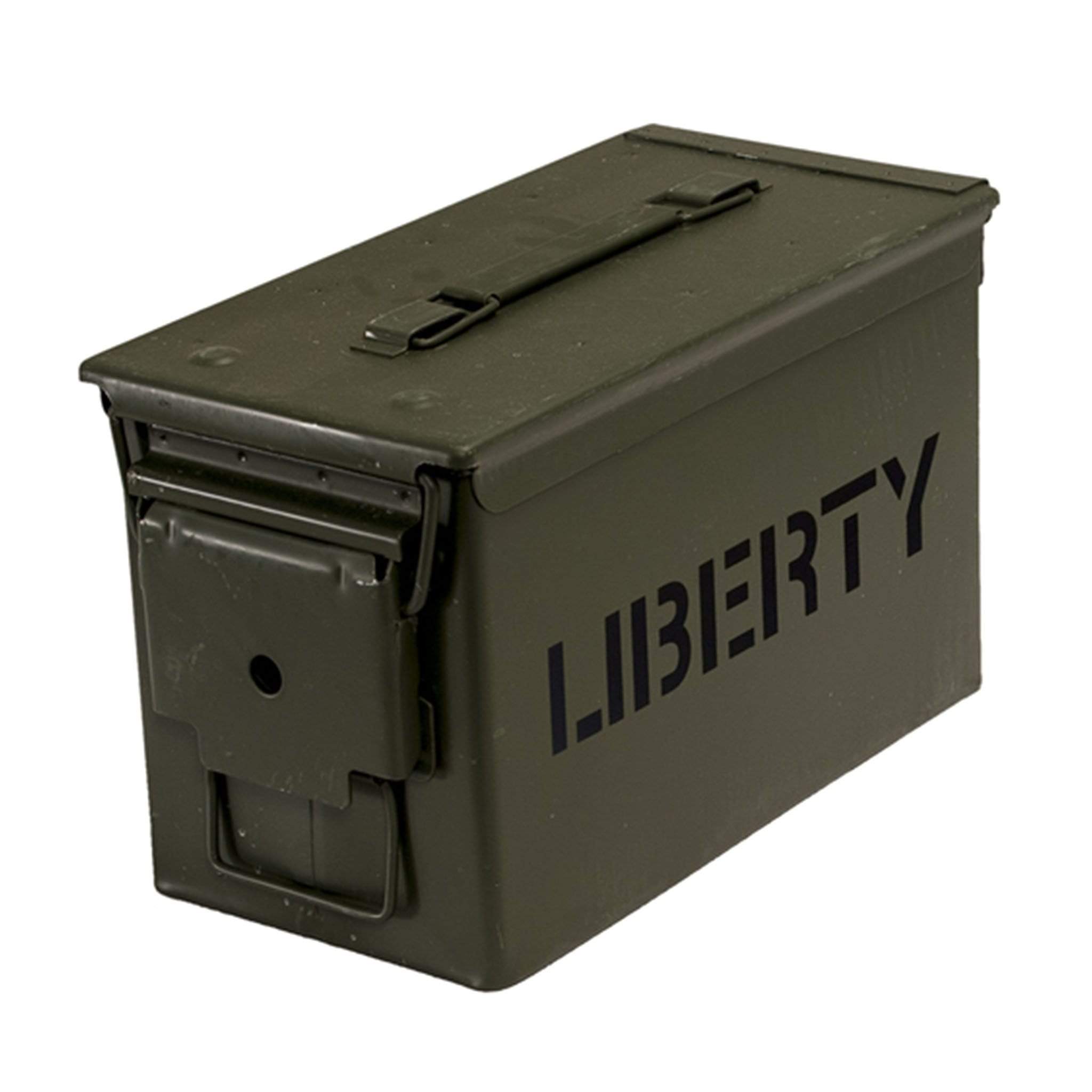 A safe should be the foundation of your storage plan, but there are also gun accessories and safety tools that can help parents build a more complete setup. Cable locks can help prevent a firearm from being loaded or fired. Trigger locks are another option, but they should be used carefully and should not replace locked storage. A firearm with a trigger lock should still be kept away from unauthorized access.
Ammo storage boxes or ammo canisters can help parents store ammunition separately from firearms. This is especially important for families who want an added layer of protection in a home with children. Lockable gun cases are helpful for transportation and temporary storage, especially for trips to the range, hunting travel, or moving a firearm from one secure location to another.
Some safe accessories are less about access control and more about long-term safety and organization. Eye and ear protection are must-have items for training and range practice. Cleaning kits help keep firearms maintained and functioning properly. Safe dehumidifiers and moisture absorbers are useful for larger gun safes, especially in humid climates where rust and corrosion can become a problem.
Safe lighting kits, door organizers, handgun hangers, magazine holders, and safe shelves can also make a real difference. Good organization matters. A cluttered safe can lead to careless handling. A well-organized safe helps parents store firearms, ammunition, accessories, and valuables in a way that is easier to manage.
Balancing Fast Access with Child Safety
This is one of the biggest questions parents have: How do I keep a gun available for home defense but safe from my kids? The answer depends on the home, the firearm, the children, and the level of training. But the basic rule is simple: quick access should never mean open access.
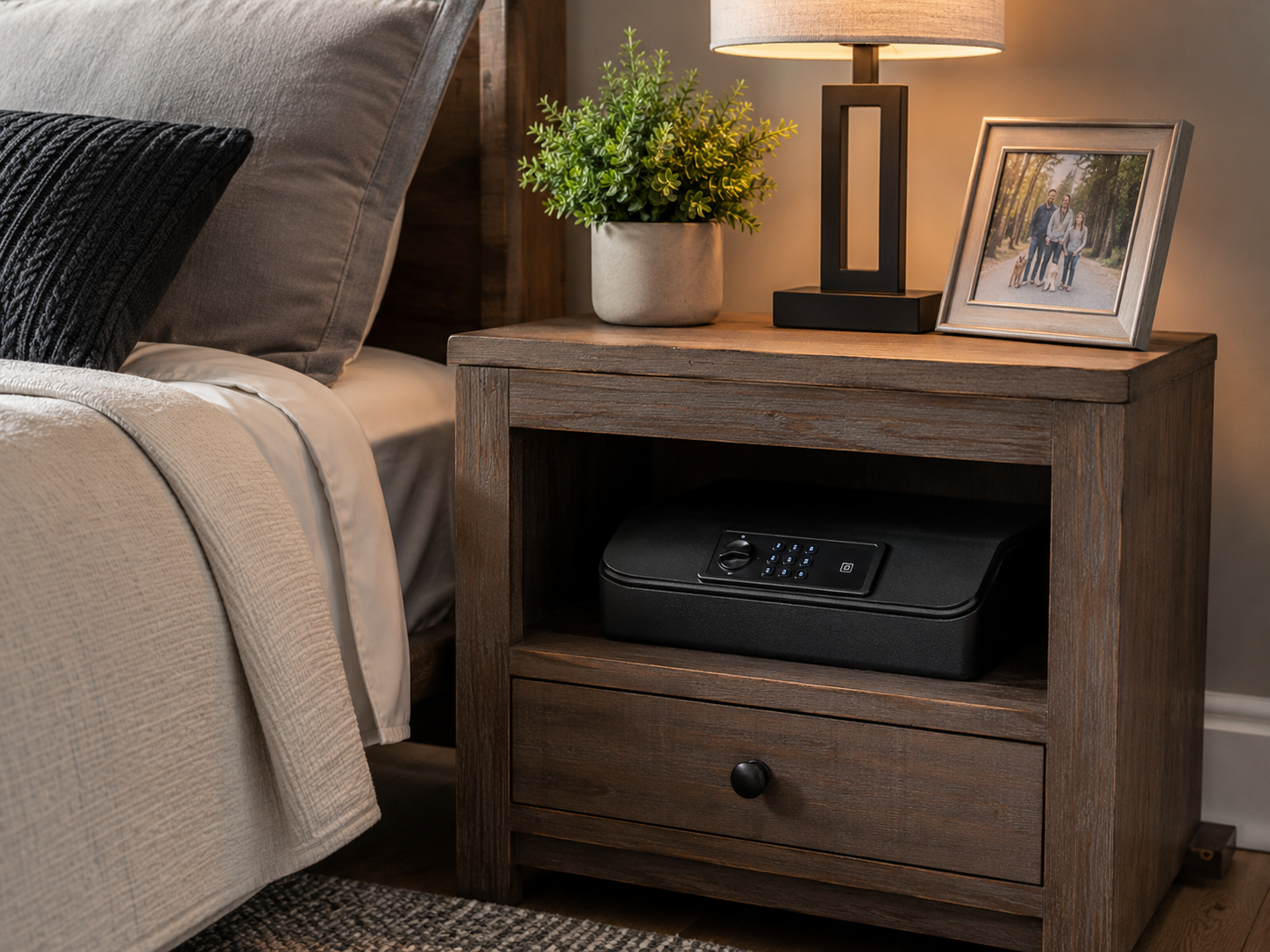 A loaded gun in a drawer may be fast to reach, but it is also fast for a child to find. That is not a good trade. Parents need a secure system that prevents unauthorized access while still allowing a trained adult to respond if needed. For many families, that means a quick-access handgun safe for a defensive firearm and a larger gun safe for long guns, extra firearms, ammunition, and accessories.
Parents should also think through the full home defense plan. Where are the kids’ bedrooms? What happens if the alarm goes off? Where does everyone go? Does every adult know the plan? Is there a phone nearby? Is the firearm part of a broader safety plan, or is it the only plan?
A gun should never be the only layer of home protection. Strong locks, lighting, alarms, cameras, dogs, good neighbors, and common sense all matter. As any Texas Ranger would tell you, the best fight is the one you never have to get into.
Talking to Kids and Training the Adults
Parents should not rely on storage alone. Kids need age-appropriate conversations about gun safety. That does not mean every child needs every detail about where firearms are stored or how they work. It means children should understand that guns are not toys, they should never touch one without adult permission, and if they ever find a gun, they should leave it alone, leave the area, and tell an adult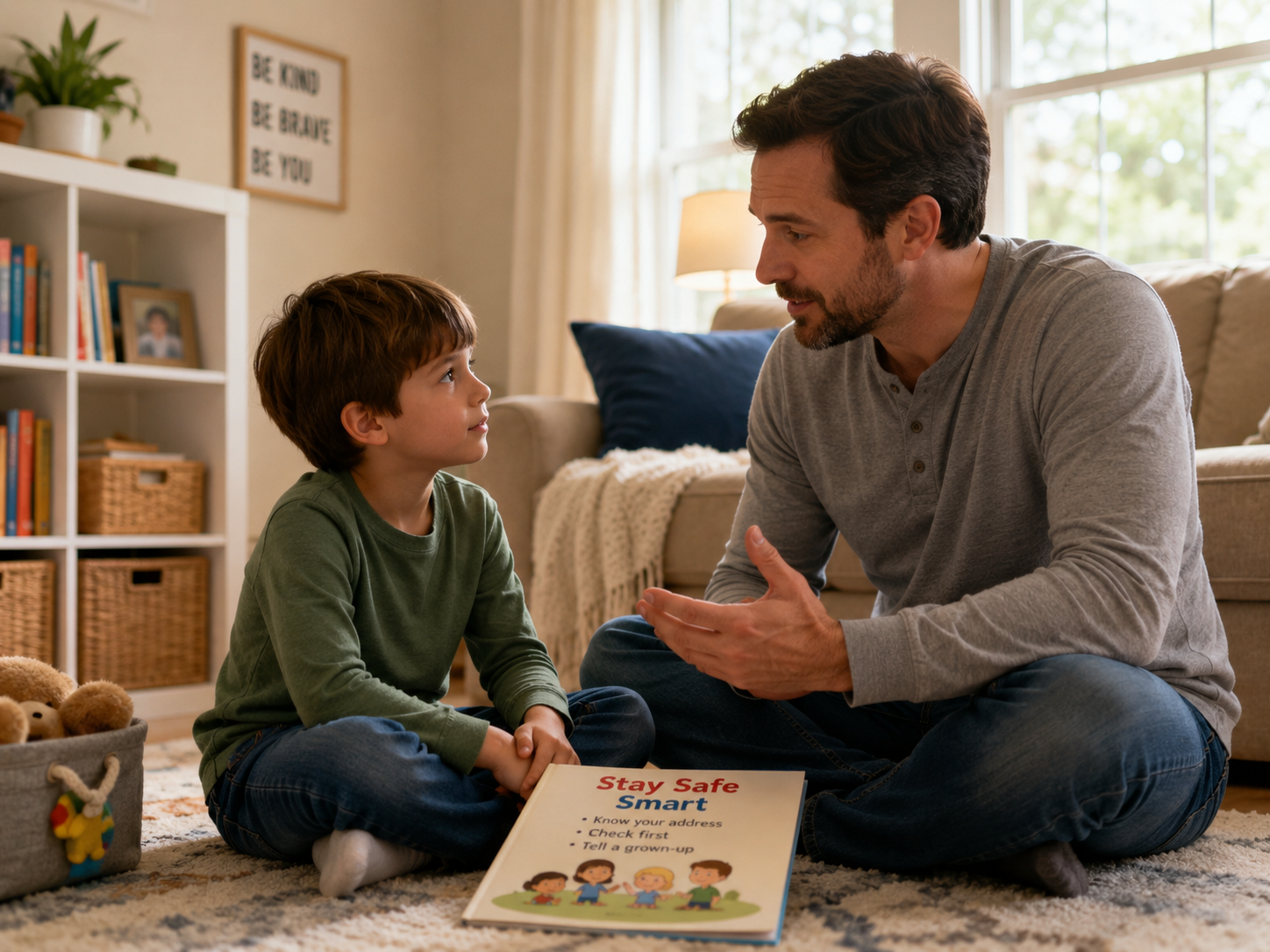 immediately.
These conversations should happen more than once. Kids grow. Their understanding changes. Their friends change. Their access to other homes changes. A one-time talk is not enough. Parents should also ask about gun safety in other homes. Before a playdate or sleepover, it is fair to ask whether there are firearms in the home and how they are stored. That conversation may feel awkward the first time, but it is a lot easier than wishing you had asked later.
Adult training is just as important. Every adult with access to the firearm should know how to safely handle it, load it, unload it, store it, and secure it. If only one adult in the house understands the firearm, the family safety plan has a weak spot. A firearm training class, basic safety course, or range session with a qualified instructor can help parents build confidence and reduce mistakes. Owning a firearm without training is like buying a truck and never learning how to drive it. It may look good in the driveway, but it will not help much when things get serious.
Planning for Guests, Teenagers, and Changing Risks
Safe gun ownership is not a one-time setup. It is an ongoing responsibility. Parents should revisit their storage plan as kids get older. A safe location that worked when a child was four may not be enough when that child is fourteen. Teenagers may understand more, but they may also face stress, peer pressure, emotional struggles, or curiosity from friends.
Guests matter too. If relatives visit, kids come over, contractors enter the home, or a babysitter is watching the house, firearms should be locked and inaccessible. No exceptions. Parents should also keep combinations, backup keys, and access methods private. A gun safe is only as secure as the access plan around it. Don’t leave keys in obvious places. Don’t use easy codes. Don’t share access with anyone who does not need it.
If your safe uses batteries, check them. If it has a fingerprint reader, test it. If it has a backup key, secure it. If it is large enough to tip or be removed, consider anchoring it. Good intentions are not enough. The setup has to work when it matters.
Final Thoughts: Protecting Your Family from Both Threats and Accidents
Gun safety for parents starts with thoughtful decisions before a firearm ever enters the home. You need a clear reason for owning it, a secure place to store it, and a plan for who can access it. The adults in the house should know how to handle, secure, and maintain the firearm safely. Kids also need age-appropriate conversations about what to do if they ever see a gun.
As your family grows, your safety plan should grow with it. A setup that works with toddlers may not be enough when those same kids become teenagers. Guests, sleepovers, babysitters, and changing household risks should all be part of the conversation. Good gun safety is not something you set once and forget. It is something you keep checking, improving, and taking seriously.
Find the Right Safe Storage Option for Your Home
A firearm may play a role in your home defense plan, but safe storage should always be part of your family protection plan. If you need a secure place to store firearms, valuables, documents, or accessories, browse our online store to compare gun safes, home safes, and safe accessories built to help protect what matters most.