Buying your first gun is an exciting experience, but it can also feel overwhelming. First-time buyers often have questions about what type of firearm makes sense, how much they should spend, what laws they need to understand, and how to store a gun safely once it comes home. Whether you’re buying for home defense, sport shooting, hunting, or personal protection, the right first purchase starts with good information. This guide covers what first-time gun buyers should know before buying, from choosing the right firearm to training, safety, and secure storage.
Why People Buy a Gun
Every story is different, but most first-time gun buyers fall into two categories. The first is security, whether for themselves, their property, or their loved ones. The second is enjoyment whether through sport, recreation, or hunting.
Protection is one of the biggest reasons people choose to own a firearm. According to Pew Research Center, 72% of U.S. gun owners say protection is a major reason they own a gun. Pew also found that while 71% of gun owners say they enjoy having a gun, an even larger share, 81%, say they feel safer owning one. That helps explain why many first-time buyers start their search with home defense or personal protection in mind.
Whether you are looking for something to carry, something for home defense, or something to take on hunting trips, the reason behind the purchase matters. It will influence the type of gun you consider, how you plan to use it, and what kind of training and storage setup makes sense.
A first-time gun buyer should start by thinking about the actual purpose of the purchase instead of jumping straight into brands, calibers, or online opinions. A firearm that feels manageable at the range may not be the one you would choose for another purpose. The clearer you are about your goals, the easier it becomes to narrow down your options and avoid buying something that does not really fit your needs.
Questions to Ask Yourself Before Buying Your First Gun
Before buying your first gun, it helps to slow down and ask a few honest questions.
- What is the gun for?
- How often do you expect to use it?
- Are you comfortable with recoil?
- Will anyone else in the household need access to it?
- Do you have children in the home or frequent visitors?
- Are you prepared to invest in training, ammunition, and secure storage?
These questions matter because a first gun purchase is about more than the firearm itself. It is about the entire responsibility that comes with ownership. New buyers sometimes make the mistake of focusing only on the purchase and not on what comes after. Thinking through your comfort level, your living situation, and your willingness to practice can help you make a smarter decision from the start.
How to Choose the Right First Gun for Your Needs
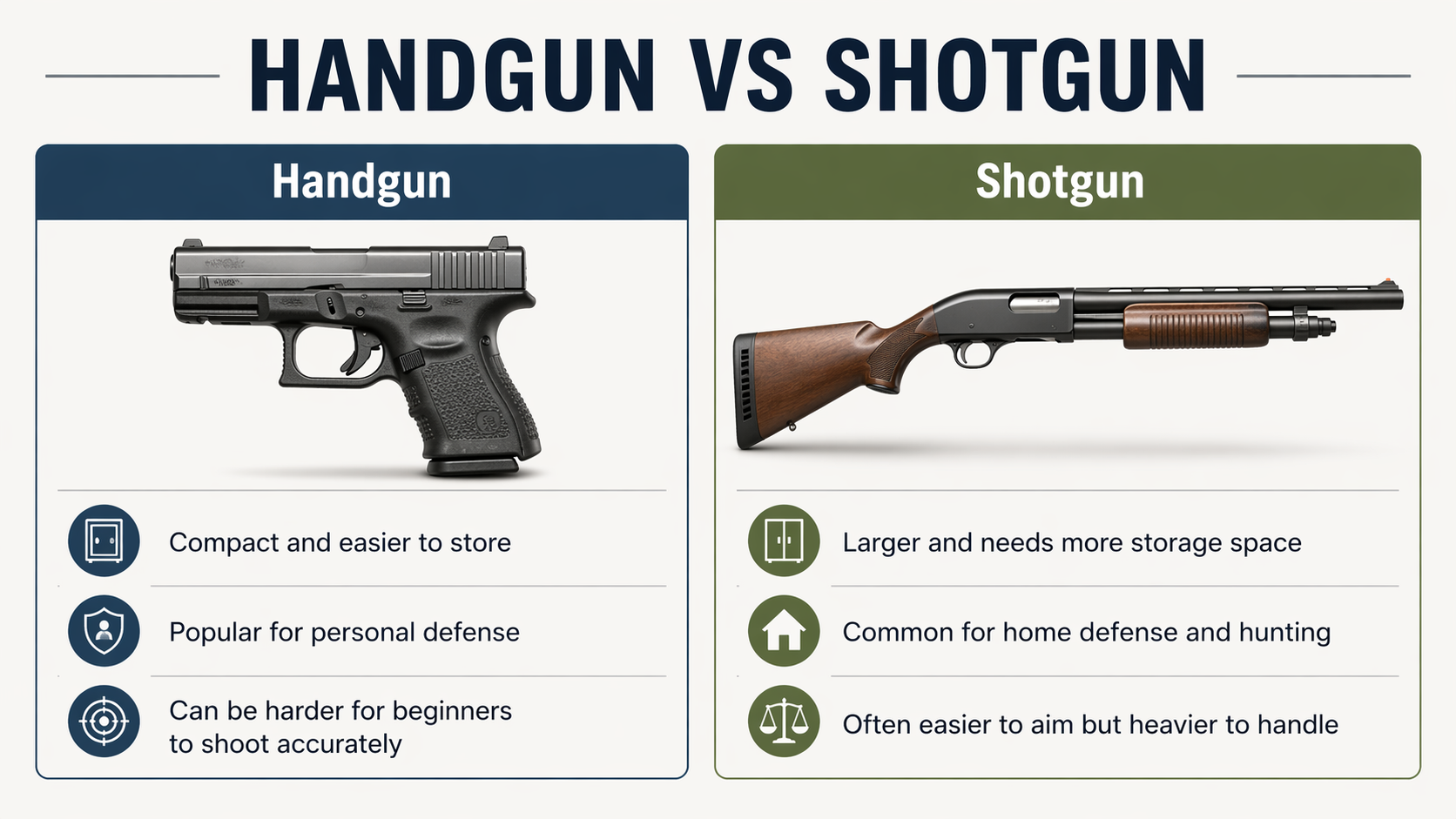
One of the biggest decisions first-time gun buyers face is choosing what type of firearm makes the most sense for their needs. For most beginners, that usually means comparing handguns, shotguns, and rifles. Each option has its own advantages, and none of them is automatically the right choice for everyone. Handguns are popular because they are compact, easier to store, and commonly chosen for personal defense. At the same time, they can be more difficult for beginners to shoot accurately because of their size and recoil behavior. Shotguns are often recommended for home defense and certain hunting uses, but they can feel heavier and more intimidating for some new buyers. Rifles are a strong option for target shooting and hunting, and many people find them easier to aim, but they also require more storage space and may not be the best fit for every household or purpose.
The best first gun depends on how you plan to use it, how it feels in your hands, and how willing you are to train with it. First-time buyers should focus less on hype and more on comfort, fit, and practical use. A great way to learn your preferences is to take a class, rent a gun from a local shooting range, or spend time with a knowledgeable friend who can help guide you through the basics. That kind of hands-on experience can teach you far more than reading specs online. It can also help you understand what feels comfortable, what seems manageable, and what type of firearm best fits your goals before you make a final decision.
What First-Time Gun Buyers Should Know About Gun Laws
Gun laws are one of the most important parts of the buying process, and they are also one of the easiest areas for first-time buyers to misunderstand. Federal law provides a baseline, but state and local laws may add additional rules related to purchasing, waiting periods, private sales, magazine limits, transportation, carrying, and firearm storage.
That means the rules are not the same everywhere. Some states have more restrictions, while others have fewer. A first-time gun buyer should not assume that advice found online applies the same way across the country. Even well-meaning advice can be incomplete or outdated.
The smartest approach is to treat legal research as part of responsible ownership. A reputable gun store or licensed dealer can often explain the purchase process, but buyers should also look up the laws in their own state and local area before making a decision. Understanding the law where you live is just as important as choosing the right first gun.
Where to Buy Your First Gun
There are several places a first-time gun buyer may choose to purchase a firearm. Common options include local gun stores, sporting goods retailers, licensed dealers, gun show vendors operating lawfully, and online sellers that ship to a Federal Firearms License holder for transfer. Each option has its place, but for many beginners, buying in person can make the process easier to understand.
A good local store can help new buyers compare options, ask questions, and get a better feel for different firearms before making a decision. That matters because first-time buyers often benefit from hands-on guidance more than wide selection alone. A knowledgeable and patient seller can help explain differences in fit, recoil, controls, and intended use without rushing the process.
Buying online may open the door to more choices, but it usually still involves a licensed dealer for the transfer. For many people, especially those buying their first gun, handling different models in person is one of the best ways to make a more confident decision.
What to Look for When Shopping for a Gun In-Store
Walking into a gun store for the first time can feel overwhelming. There may be a lot of terminology, a lot of opinions, and a lot of choices that look similar at first glance. Instead of focusing only on brand names or appearance, first-time buyers should pay attention to how a firearm feels and functions.
- Does the grip feel comfortable in your hand?
- Can you reach the trigger naturally?
- Does the gun feel too heavy, too large, or awkward to hold?
- Can you work the controls without struggling?
- Do the sights look clear?
- Does it feel like something you would be comfortable practicing with on a regular basis?
Those practical details often matter more than the name stamped on the side. A first gun should be something you can handle safely and confidently, not just something that sounded good in a recommendation thread. Buyers should also ask questions about recoil, reliability, basic maintenance, and beginner-friendly features. A helpful in-store experience should feel educational, not rushed.
How Much Should You Spend on Your First Gun?
A lot of first-time buyers ask how much their first gun should cost, but the better question is how much the full setup will cost. The firearm itself is only one part of the total investment.
Here is a rough idea of what many first-time buyers can expect to spend on the firearm alone:
- Handguns: about $300 to $550 for many beginner-friendly models
- Shotguns: about $250 to $500 for many entry-level options, especially pump-action models
- Rifles: about $250 to $700 depending on the type, caliber, and setup
Those price ranges are only the starting point. The final cost can go up or down based on brand, action type, materials, caliber or gauge, included features, sights, finish, and overall build quality. A basic pump shotgun will usually cost less than a semiautomatic model, and a simple .22 rifle will often cost less than a centerfire hunting rifle or upgraded semiautomatic platform.
Just as important, the gun itself is only the base cost of entry. First-time buyers should also budget for ammunition, eye and ear protection, cleaning supplies, classes, range time, training, and secure storage. That is why the cheapest option is not always the smartest buy, and the most expensive option is not automatically the best.
In many cases, a buyer who chooses a dependable firearm and leaves room in the budget for training and storage is making a better decision than someone who spends every dollar on the gun alone. A first-time gun buyer should think beyond the counter price and plan for the full responsibility of ownership.
Common Mistakes First-Time Gun Buyers Make
First-time gun buyers often make some of the same mistakes, especially when they feel pressure to choose quickly. One common mistake is buying based only on appearance, popularity, or trying to be cool. Another is purchasing a firearm before handling several options in person. Some buyers choose something that looks appealing but turns out to be uncomfortable, too heavy, or more difficult to shoot than expected.
Another mistake is underestimating the importance of training. Some people assume they will figure everything out later, but confidence and safe handling come from practice and instruction, not guesswork. Others forget to plan for secure storage before bringing the firearm home. In some cases, buyers also overlook the cost of accessories, cleaning supplies, and range use, which can leave them underprepared.
Rushing the decision is often the biggest mistake of all. Buying your first gun should be thoughtful. Taking the time to compare options, ask questions, and prepare for safe ownership usually leads to a much better experience.
The 4 Fundamental Rules of Firearm Safety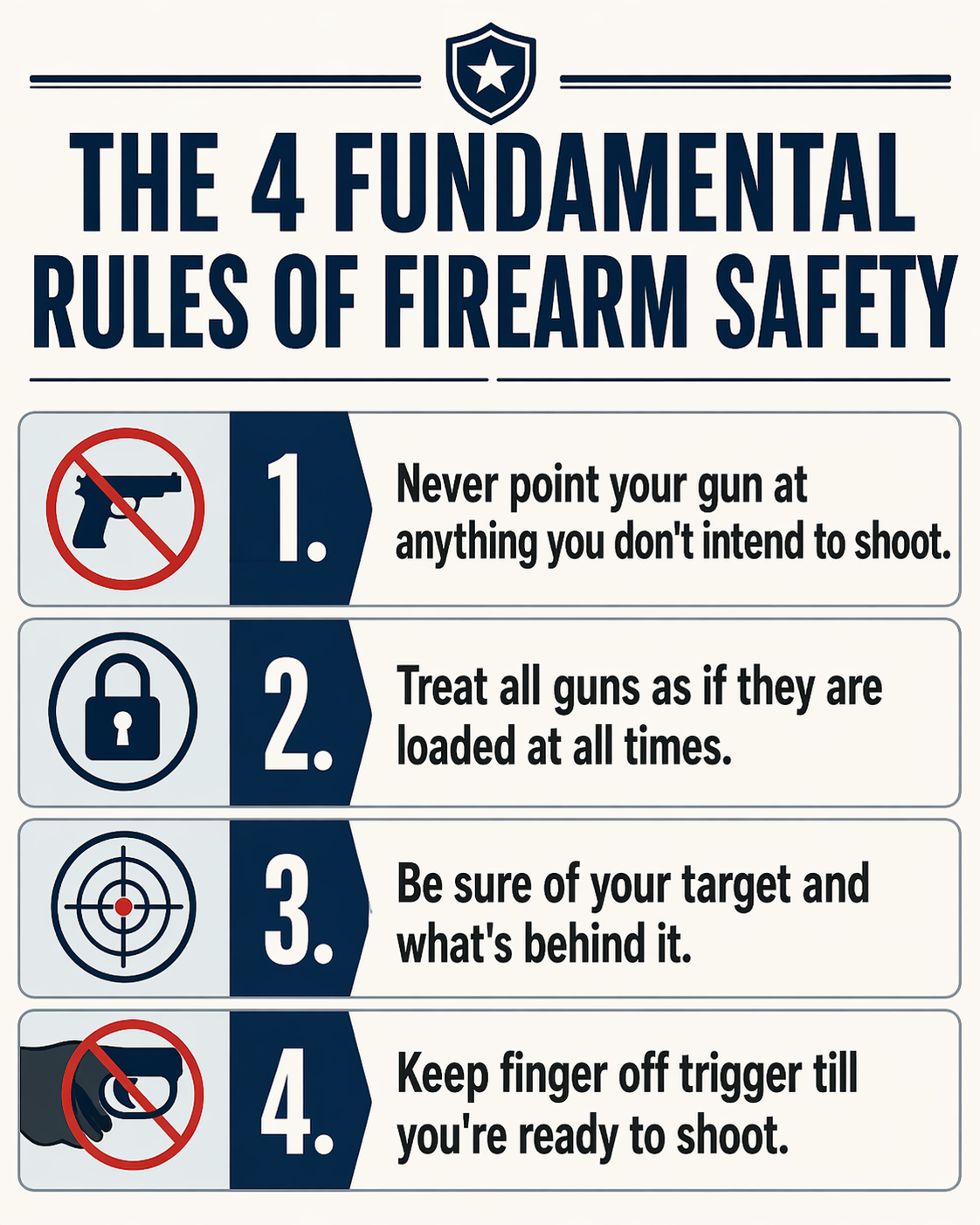
All first-time gun buyers should learn the basics of firearm safety before making a purchase. These rules are simple, but they carry serious weight and should be treated as habits from the get-go.
- Never point your gun at anything you don’t intend to shoot.
- Treat all guns as if they are loaded at all times.
- Be sure of your target and what’s behind it.
- Keep finger off trigger till you’re ready to shoot.
These rules apply whether the firearm is at home, at the range, being cleaned, or being transported. Safe handling is something that should always be in the front of your mind. A new gun owner should build these habits from the very beginning and treat them as a permanent part of responsible ownership.
Why Training Matters for First-Time Gun Buyers
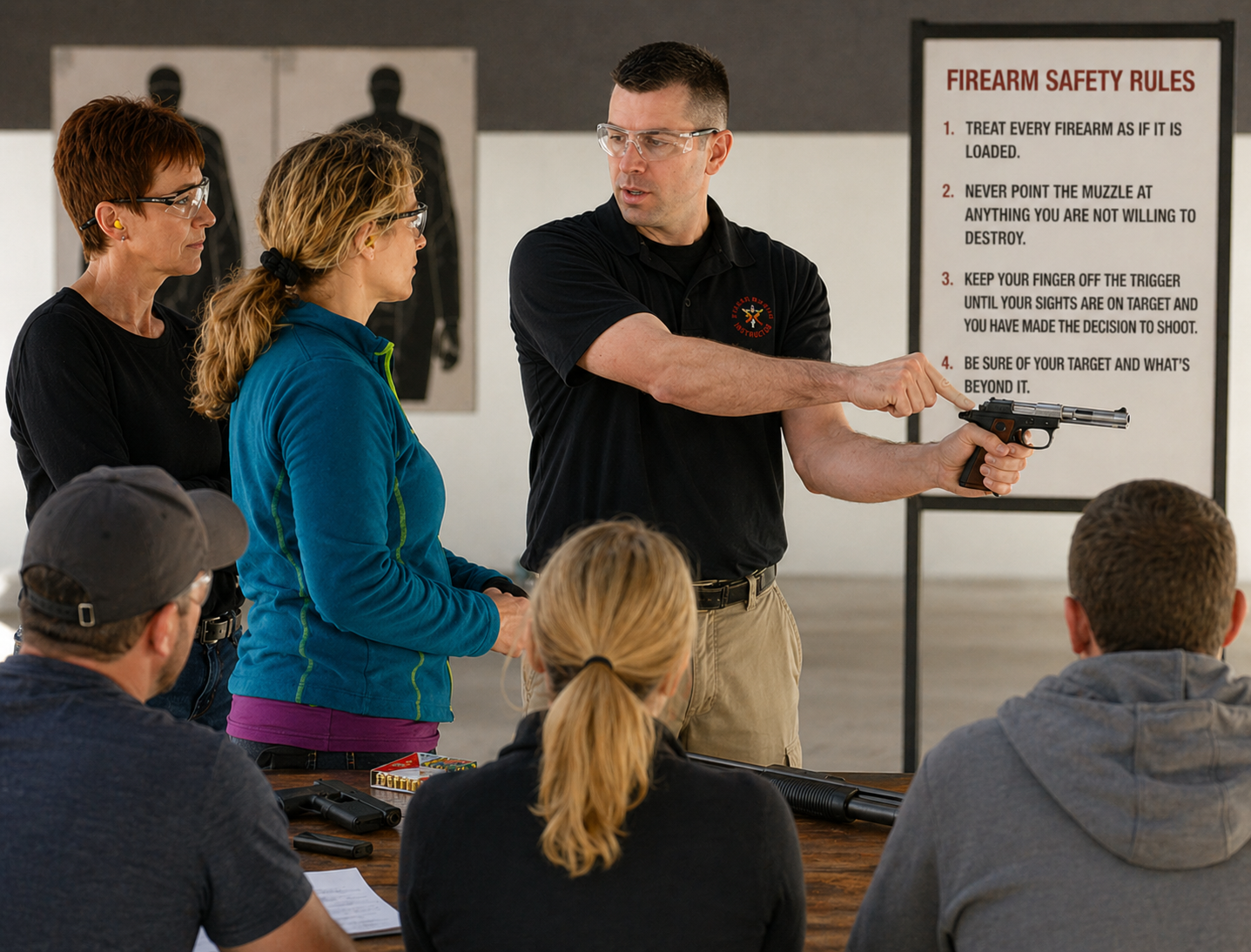
Owning a gun and knowing how to use it safely are two different things. Training helps bridge that gap. Even if someone has been around firearms before or watched a lot of videos, formal instruction can still have a huge impact on a first-time buyer.
Training gives new gun owners the chance to learn safe handling, loading and unloading procedures, range etiquette, marksmanship basics, and how to operate the firearm correctly under supervision. It can also help reduce anxiety by turning an unfamiliar tool into something more understandable and manageable.
For many first-time gun buyers, training is one of the best investments they can make. It builds confidence, reinforces safety, and helps owners become more capable over time. A first gun purchase should not be viewed as the finish line. It should be the beginning of a learning process.
Essential Accessories for New Gun Owners
A new gun owner does not need every accessory on the shelf, but there are a few basics that make sense from the start. Eye and ear protection are essential for range use. Cleaning supplies are important for maintaining the firearm properly. A case or range bag can make transportation and organization easier. Depending on the platform, extra magazines or approved storage devices may also be worth considering.
The most important accessory category, though, is secure storage. Many first-time buyers think about the gun itself and put storage off until later, but that is backwards. Safe storage should be part of the buying plan from the beginning. It plays a major role in preventing unauthorized access and helping the owner manage the firearm responsibly at home.
How and Where to Store Your Gun Safely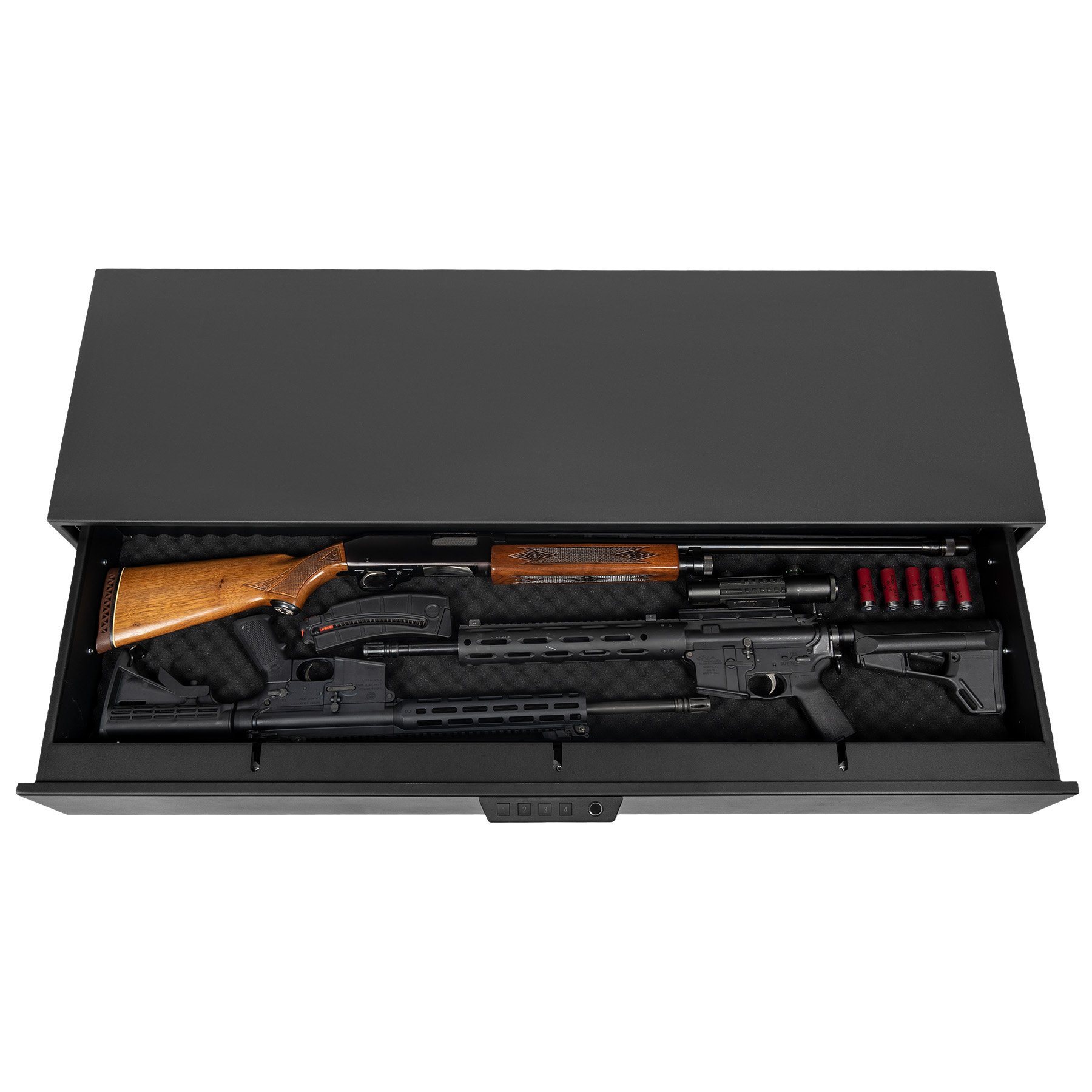
Secure storage is one of the most important parts of responsible gun ownership, especially for a first-time gun buyer. A firearm should be stored in a way that helps prevent access by children, guests, or anyone who is not authorized to handle it. The right setup should also fit your current needs while giving you some room to grow.
A simple way to think about safe shopping is to break it into three levels:
- Small handgun and personal-item safes: Good for buyers starting with a handgun, documents, jewelry, and other valuables. Liberty has smaller options like the Personal Home Safe at $349, the HDV-700X Smart Vault at $699, and the Home 8 at $939. These are a practical starting point for someone who wants secure handgun or personal-item storage without jumping straight to a full-size gun safe.
- Entry-level gun safes: A better fit for buyers with a long gun or anyone who already expects their collection to grow. The Liberty Centurion 18 at $800 is a good example of a more affordable full-size starting point.
- Larger and collector-level safes: Better for buyers planning ahead for multiple firearms, accessories, documents, and long-term storage. Models like the Colonial 35 Widebody at $2,899 to $3,659 and the Franklin 45 Widebody at $3,829 to $4,299 offer much more room, while the Liberty Collector starting at $4,139 and the Collector T starting at $6,209 are built for buyers with larger collections and bigger long-term storage goals.
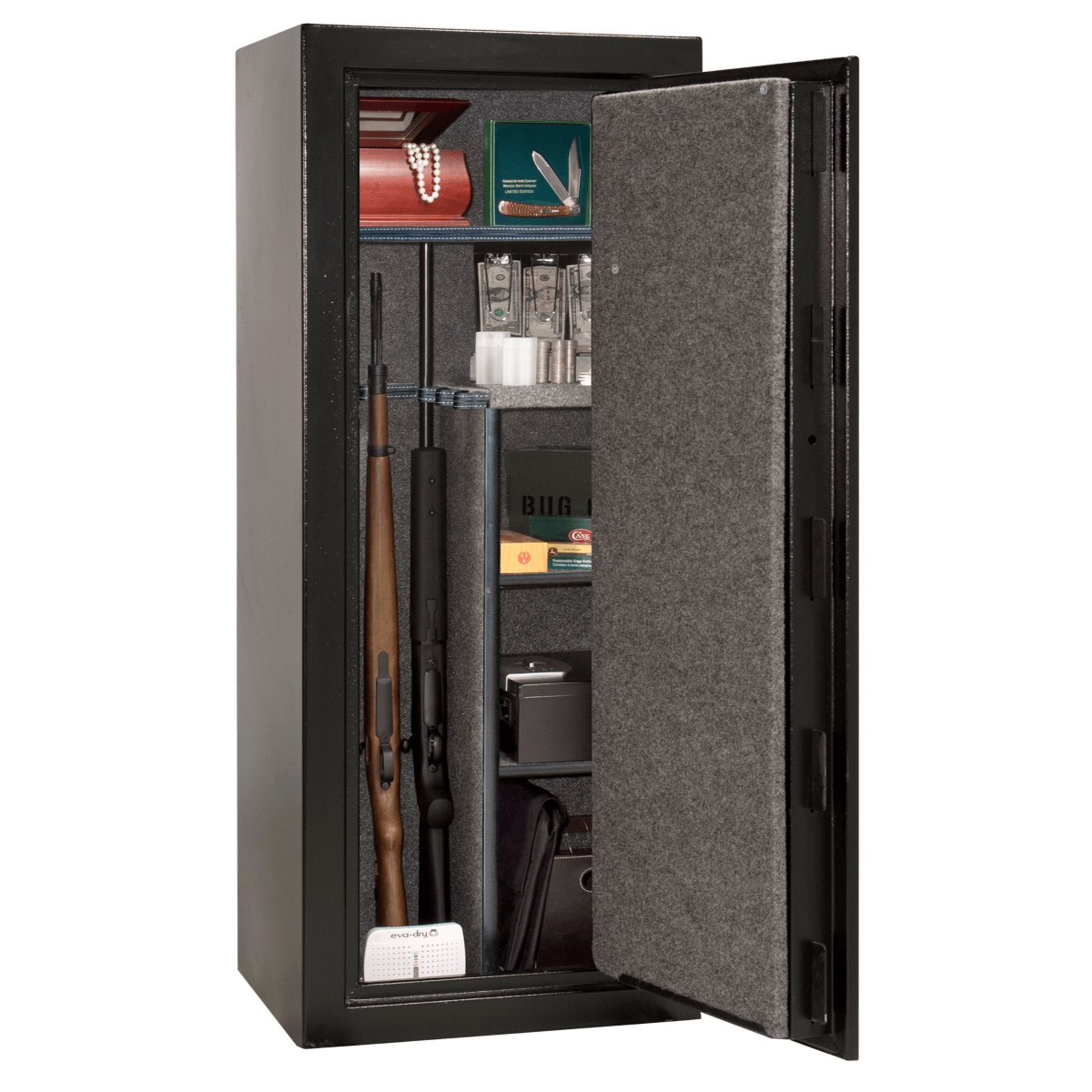 Planning for the future matters more than most first-time buyers realize. A safe that feels big enough today can fill up fast once you add extra magazines, optics, paperwork, family valuables, and other gear. Buying a little more capacity than you think you need now can save you money and frustration later.
One useful thing to keep in mind is that safe capacity numbers can be optimistic. A safe rated for a certain number of guns may hold fewer in real life once you factor in scoped rifles, shelves, door organizers, and the way people actually store their gear. That is one reason seeing safes in person can be so helpful.
It is also smart to think about a few practical details before you buy:
- where the safe will go
- how much floor and closet space you really have
- whether you may outgrow a smaller model
- how the safe will be delivered into the home
- whether you want a handgun vault now and a larger gun safe later
For buyers comparing storage options, Liberty Locksmith offers a showroom with compact home safes, handgun vaults, and full-size gun safes. For a first-time gun buyer, having the right storage in place from the beginning is one of the smartest decisions you can make.
Final Thoughts for First-Time Gun Buyers
Buying your first gun should be thoughtful, not rushed. The best first purchase is not just about finding a firearm that looks good or gets recommended often. It is about understanding your goals, asking the right questions, learning the basics of safe handling, and preparing for the responsibility that comes with ownership.
A first-time gun buyer does not need to know everything immediately, but they should be willing to learn. Good decisions usually come from taking your time, comparing options carefully, getting training, and putting a real plan in place for secure storage.
At the end of the day, buying your first gun is not only about what you buy. It is about how well you prepare to own it safely and responsibly.