If you’ve ever needed a replacement car key, you’ve probably heard the terms key cloning and key programming. While they sound similar, they are very different services—and choosing the wrong one can cost you time, money, or even leave you stranded. For Houston drivers, understanding the difference helps you make the right decision fast, especially when you’re dealing with lost keys, damaged fobs, or newer vehicles with advanced security systems.
Below is a clear, no-nonsense breakdown of car key cloning vs. key programming, written specifically with Houston drivers in mind.
What Is Car Key Cloning?
Car key cloning is the process of copying the electronic data from an existing, working key onto a new transponder chip. The vehicle sees the cloned key as the same key it already recognizes.
This method is most commonly used on older vehicles that rely on basic transponder keys rather than modern smart keys or proximity systems.
Key cloning typically requires:
- At least one existing, working key
- A vehicle that supports duplicate transponder data
- A compatible transponder chip
Because the vehicle is not involved in the process, cloning is usually faster and simpler than programming.
 What Is Car Key Programming?
Car key programming is more advanced. Instead of copying an existing key, a brand-new key is added directly into the vehicle’s computer system. The car learns to recognize the new key as a unique, authorized device.
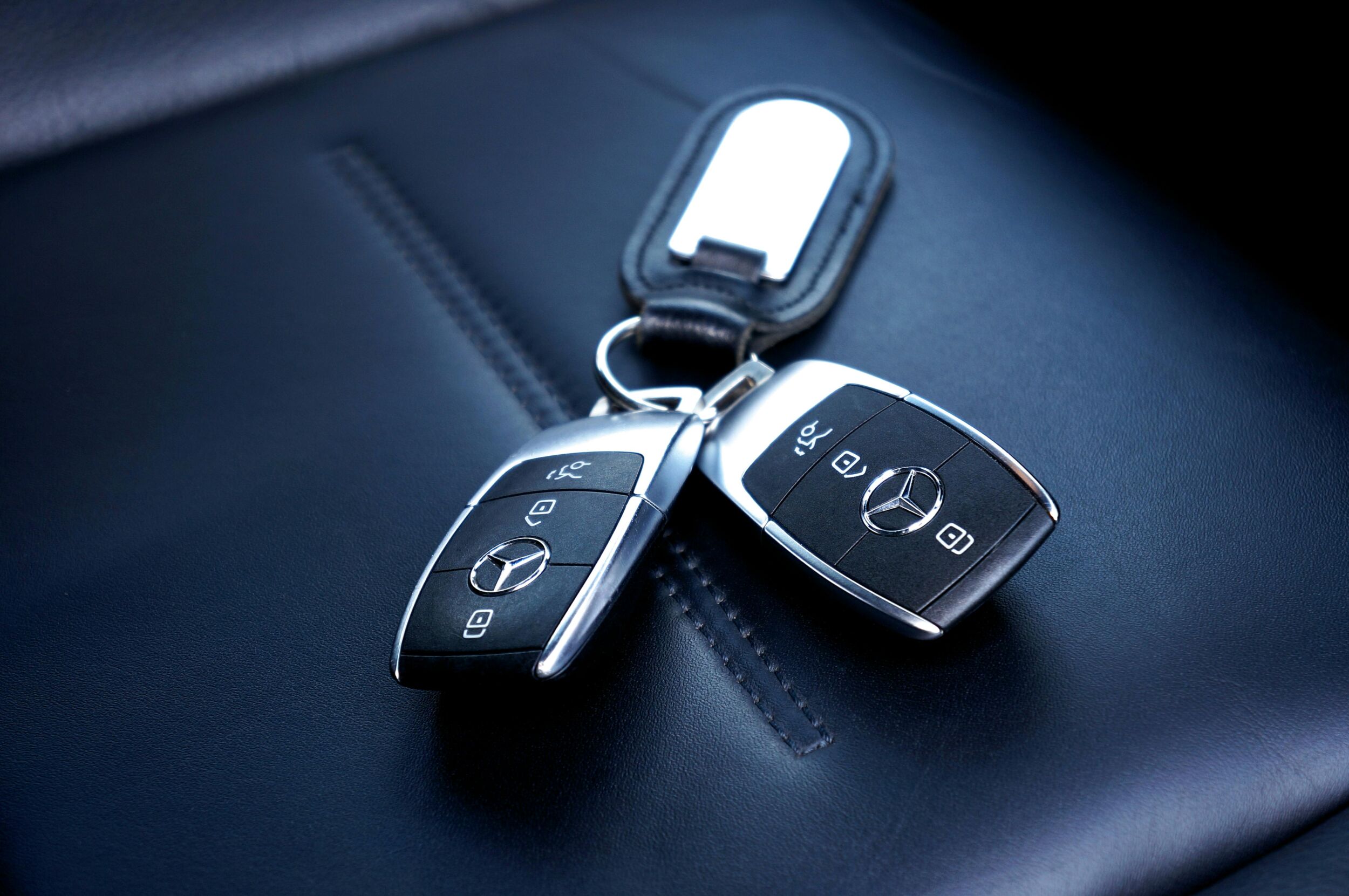
Programming is required for most newer vehicles, especially those with push-to-start ignition systems or proximity key fobs. It’s also the only solution when all keys have been lost, since there’s no existing key data to copy.
The Core Difference Between Cloning and Programming
The simplest way to understand the difference is this: cloning duplicates an existing key, while programming creates a new one.
A cloned key mirrors the original, while a programmed key is registered as its own identity within the vehicle’s security system. This distinction becomes especially important as vehicles get newer and security systems become more sophisticated.
Pros and Cons of Car Key Cloning
Car key cloning can be a convenient option, but it has clear limits.
Advantages:
- Faster turnaround time
- Usually lower cost
- No need to connect to the vehicle
- Ideal for making spare keys on older cars
Limitations:
- Requires a working key
- Not supported on many newer vehicles
- Cannot remove lost or stolen keys
- Not compatible with smart keys or push-to-start systems
For many Houston drivers with older vehicles, cloning is a practical and cost-effective solution for creating a backup key.
Pros and Cons of Car Key Programming
Key programming offers more flexibility and security, especially for modern vehicles.
Advantages:
- Works on newer and high-security vehicles
- Required for proximity and smart keys
- Can disable lost or stolen keys
- Necessary for lost-all-keys situations
Limitations:
- More time-intensive than cloning
- Requires specialized tools and software
- Typically costs more due to complexity
While programming may take longer, it’s often the only correct and secure option for newer cars.
 Why Newer Vehicles in Houston Usually Require Programming
Modern vehicles are designed with advanced anti-theft technology. Encrypted transponders, rolling codes, and immobilizer systems make unauthorized duplication extremely difficult—or impossible.
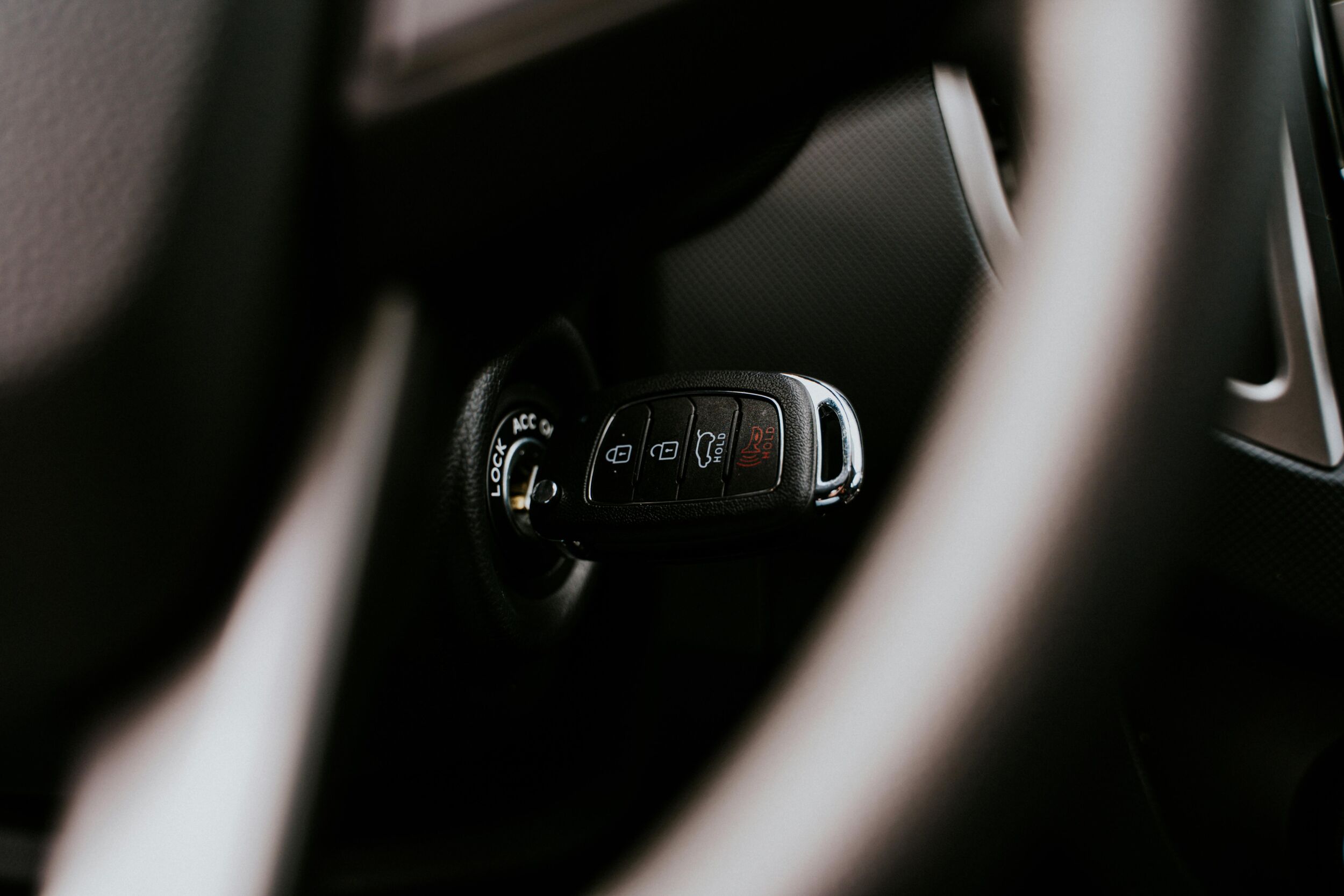
Because of this, many manufacturers no longer allow keys to be cloned. Each key must be individually registered with the vehicle, and lost keys can be removed from memory for added security. If your car has push-button start or a proximity fob, programming is almost always required.
Which Option Is Right for Your Vehicle?
In most cases, the right choice depends on your vehicle and your situation:
- Older vehicle with a traditional transponder key and a working spare: cloning may work.
- Newer vehicle with a smart key or push-to-start system: programming is required.
- Lost all keys or want old keys disabled: programming is required.
- Simply want an extra spare and still have a working key: cloning may be sufficient.
A professional automotive locksmith can quickly confirm which method applies to your specific vehicle.
Locksmith vs. Dealership in Houston
Many drivers assume that key programming can only be handled by a dealership. In reality, experienced automotive locksmiths can perform most cloning and programming services on-site.
For Houston drivers, a locksmith often means faster service, no towing, and help right where your vehicle is located—at home, work, or even roadside. Dealerships may still be necessary in rare cases, but they often involve longer wait times and higher costs.
 When to Call a Houston Automotive Locksmith
 When to Call a Houston Automotive Locksmith
You should reach out to a professional Houston locksmith if your key fob stops working, you lose one or all of your keys, or your vehicle won’t recognize your key. Automotive locksmiths are equipped to diagnose the issue and recommend the correct solution—whether that’s cloning, programming, or another repair entirely.
Final Thoughts
Car key cloning and car key programming are not interchangeable services. Cloning is best suited for older vehicles when a working key is available, while programming is essential for newer vehicles and high-security systems.
Understanding the difference helps you make an informed decision, avoid unnecessary costs, and get back on the road faster. If you’re unsure which option your vehicle requires, a qualified Houston automotive locksmith can point you in the right direction and handle the job correctly the first time.